
The health risks of smoking
Last updated May 2024
Read time 6 minutes
Smoking kills around two out of every three people who smoke all their life.
But smoking affects your health throughout your life.
Smoking harms nearly every organ in your body
To unpack this alarming fact, there are 79 organs in your body. The vital organs of your brain, lungs, liver, kidney, and heart are all harmed by smoking. It also harms many organs you might not think of as being affected by smoking, such as your gut, bones, muscles, eyes, skin, arteries and veins, to name just a few.
Nearly every part of your body is damaged by smoking
How is this possible?
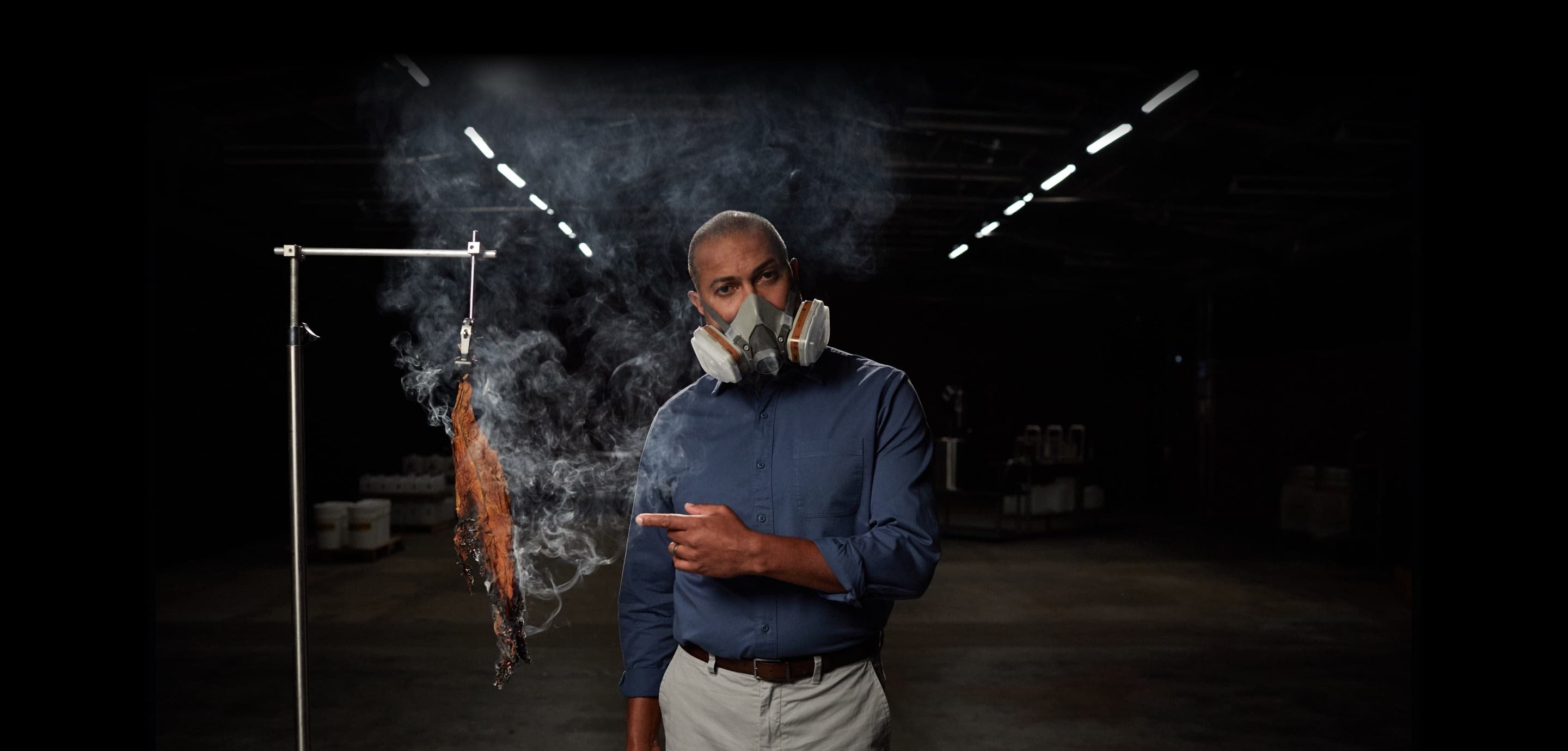
When you puff on a cigarette, cigar or waterpipe, you’re inhaling thousands of chemicals. Many of these chemicals pass through your lungs into your bloodstream and go everywhere your blood flows.
Also, your lungs work hard to get rid of the tar from smoke that settles in them. Your lungs are lined with lots of little hairs called cilia, which beat together in waves under a layer of mucus. This “conveyor belt” of mucus carries tar, dust and microbes up out of your lungs where you swallow it. So many chemicals from smoke travel all the way down your gut.
Over time, smoking also damages and slows down your lungs’ cleaning system. People who smoke for a long time have lungs blackened by tar.
Smoking causes disease
Smoking causes many diseases and reduces your health in general. It causes cardiovascular diseases such as heart disease, heart attack, heart failure, stroke and aneurysms.
Even if you only smoke one cigarette a day it can have serious health consequences.
Recent research has found that smoking just one cigarette a day has nearly half the risk of coronary heart disease and stroke compared to a person who smokes 20-cigarettes-a-day.
Smoking causes cancer
There are around 70 known cancer-causing chemicals called carcinogens that can get to most places in your body.
Smoking causes cancer of the lung, mouth, throat, voice box, oesophagus, pancreas, bladder, kidney, liver, cervix, ureter, nose, nasal sinuses, stomach, and bowel. Smoking also causes cancer of the blood (acute myeloid leukaemia) and increases breast cancer risk.
Smoking worsens mental health and mood
Smoking can worsen mental health symptoms such as depression, anxiety, panic attacks or schizophrenia. Most people with a mental health condition find that, in the long term, their mental health and mood improves after they quit smoking.
Smoking ages you
Smoking affects the appearance of your face. People who smoke are more likely to show signs of premature ageing: wrinkles and loss of skin elasticity.
A recent study found that people who smoke appear up to nearly five years older than those who don't. Even people who smoke in their 20s and 30s may have early fine wrinkles.
Chronic bronchitis – frequent and increased production of phlegm.
Chronic Obstructive Pulmonary Disease (COPD). This long-term lung disease limits airflow which causes shortness of breath. It includes emphysema and obstruction of the small airways.
Snoring is more common among people who smoke and increases with the number of cigarettes smoked.
Inflammation and damage to the way your body heals itself.
Greater risk of infection including chest and lung infections, and meningococcal disease.
There are many risks to the unborn child associated with smoking and pregnancy.
Smoking reduces both men's and women's fertility. Second-hand smoke also effects fertility.
Problems with getting and maintaining an erection.
Women who smoke are more likely to have painful and irregular periods and have earlier menopause.
People who smoke are more likely to get the flu and take days off work.
Smoking exacerbates asthma.
Smoking causes type 2 diabetes.
For people with diabetes, smoking worsens symptoms and makes the illness harder to manage.
Smoking affects the health of people around you
Second-hand smoke or passive smoking cause many of the health effects associated with active smoking.
Also, babies and children who are exposed to second-hand smoke have a higher risk of getting serious illnesses. The risks include:
SIDS (sudden infant death syndrome) or 'cot death’
chest illnesses such as bronchitis, bronchiolitis and pneumonia
weaker lungs
cough, phlegm, wheeze and breathlessness
more frequent and worse asthma symptoms
‘glue ear’ (middle ear disease) which is the most common cause of hearing loss in children
meningococcal disease, which can sometimes cause death, mental disability, hearing loss, or loss of a limb
missed school due to illness.
Read more about the health effects
This page does not list all of the health risks of smoking. For more detail, visit Tobacco in Australia.
When you quit smoking your body begins to repair
It can be distressing to read such a list of health effects. The good news is that as soon as you stop smoking, your body begins to repair itself. Read more about how the body repairs, or chat to a one of Quitline counsellors. You can also request a Quitline callback.
Contact Quitline
Speak directly with a trained quit specialist. Our counsellors are available to provide immediate support, personalised quit plans, and answer all your questions.
Get in contact with Quit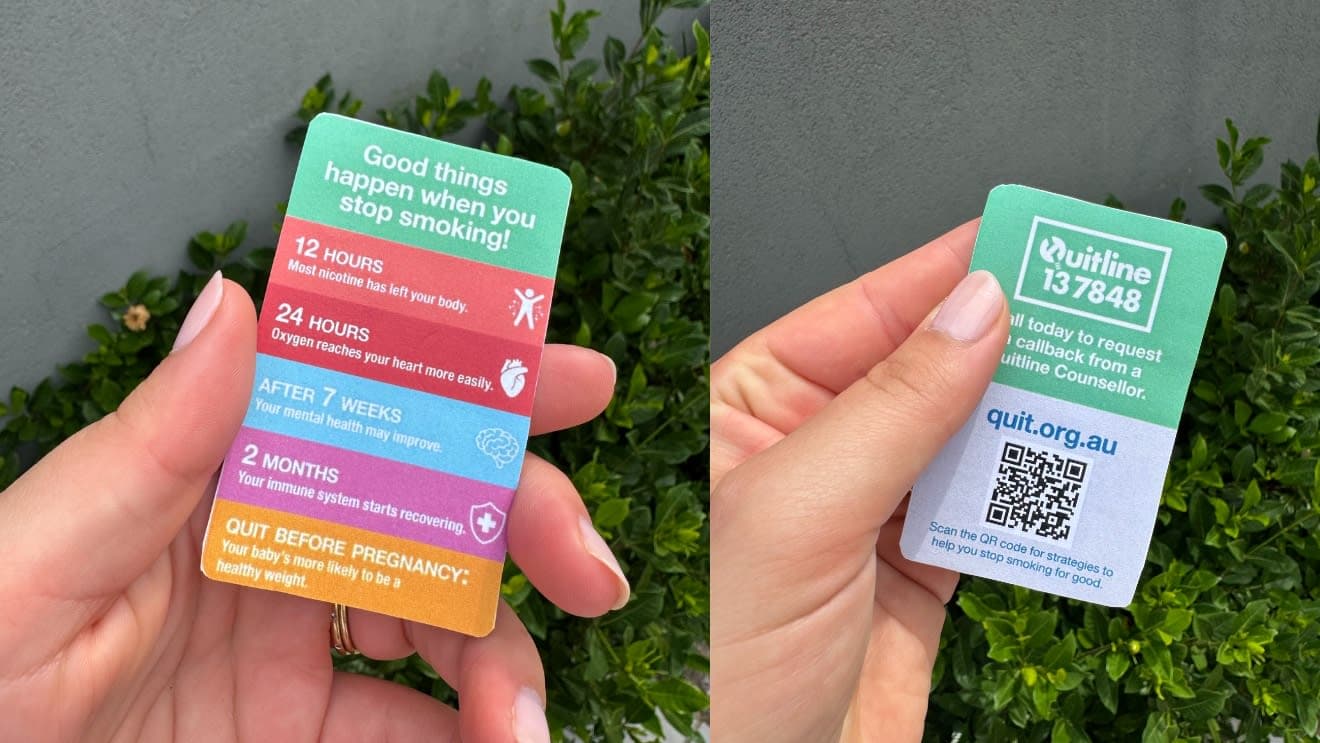


Share this page
Share this page
Tags
- Why quit
- Smoking