Second-hand smoke and the people around you
Last updated March 2024
Read time 6 minutes
When you smoke, the people around you inhale the smoke you breathe out and the smoke burning from the cigarette.
This is called second-hand smoke. It's very harmful.
Quitting is not only the best thing to do for your health – it will protect your loved ones from harmful second-hand smoke
Second-hand smoke means health risks for the people around you. Even if you don’t smoke near them, they can still breathe in the smoke (and the harmful chemicals it contains) from your hair, skin and clothes. There is no safe level of second-hand smoke. Did you know there are at least 250 chemicals in second-hand smoke that are known to be toxic, including at least 50 that are known to cause cancer?
Children and babies are particularly vulnerable to the effects of second-hand smoke.
What’s in cigarette smoke?
Second-hand smoke has a similar range of chemicals as the smoke that is directly inhaled by the person smoking. This means the types of health issues associated with breathing in second-hand smoke are similar to those caused by active smoking.
In particular second-hand smoke causes an increased risk for heart disease.
Effects of second-hand smoke on the unborn child
When a pregnant person breathes in second-hand smoke, chemicals from the smoke can pass through their lungs into their bloodstream. Nicotine, carbon monoxide and other chemicals can cross the placenta affecting their unborn child.
Women exposed to second-hand smoke are more likely to have a preterm birth (a baby carried for less than 37 weeks) as well as a baby with a lower birth weight.
Health effects of second-hand smoke on infants and children
Infants exposed to second-hand smoke have about twice the risk for SUDI (Sudden Unexpected Death in Infancy or cot death) compared with infants living in a smoke-free environment.
Compared to children of people who don't smoke, the children of people who smoke have higher rates of lung or airways infections such as bronchitis, bronchiolitis and pneumonia.
Asthma is more common among children of people who smoke. Children with asthma exposed to second-hand smoke have a greater risk of getting symptoms earlier in life and having more symptoms and asthma flare-ups. They are more likely to use asthma medications more often and for a longer period.
Children of people who smoke have a lower lung function, meaning that on average, they cannot breathe in as deeply or breathe out as hard compared to children of non-smokers. Some evidence suggests that this reduced lung function may even persist into adulthood.
Children of people who smoke are more likely to contract ear infections which are a common cause of hearing loss. They also have an increased risk of meningococcal disease, which can sometimes cause death, mental disability, hearing loss, or loss of a limb.
School-aged children of people who smoke are more likely to have symptoms such as cough, phlegm, wheeze, and breathlessness and symptoms affecting their blood vessels that can later lead to heart and vascular disease.
Second-hand smoke causes the following diseases and conditions in adults:
Heart disease and sticky blood
Lung cancer
Stroke
Irritation of the eyes and nose
It has also been linked to:
Cancers of the breast, mouth, throat, voice-box, nose and cervix
Diabetes
Disease of the blood vessels
Short-term respiratory symptoms including cough, wheeze, chest tightness and difficulty breathing
Long-term respiratory symptoms
Development of asthma and worsening of asthma control
Lung disease: chronic obstructive pulmonary disease (COPD).
Second-hand smoke and other health issues
Fertility: second-hand smoke can also affect fertility. If your partner smokes it can reduce your chance of having a baby.
The home: not only does smoke hang in the air, the chemicals in smoke can sit on clothes and furniture and build up over many years.
Pets: second-hand smoke can affect the health of pets. This includes this risk of cancer.
What to do about second-hand smoke?
The best way to protect your loved ones from second-hand smoke is to quit smoking. The next best way is to always smoke outdoors after closing doors and windows and to smoke away from others, especially children when outdoors. When caring for babies and children you could wear a jacket or other covering to protect your clothes from smoke and remove it before coming indoors.
Contact Quitline
Speak directly with a trained quit specialist. Our counsellors are available to provide immediate support, personalised quit plans, and answer all your questions.
Get in contact with Quit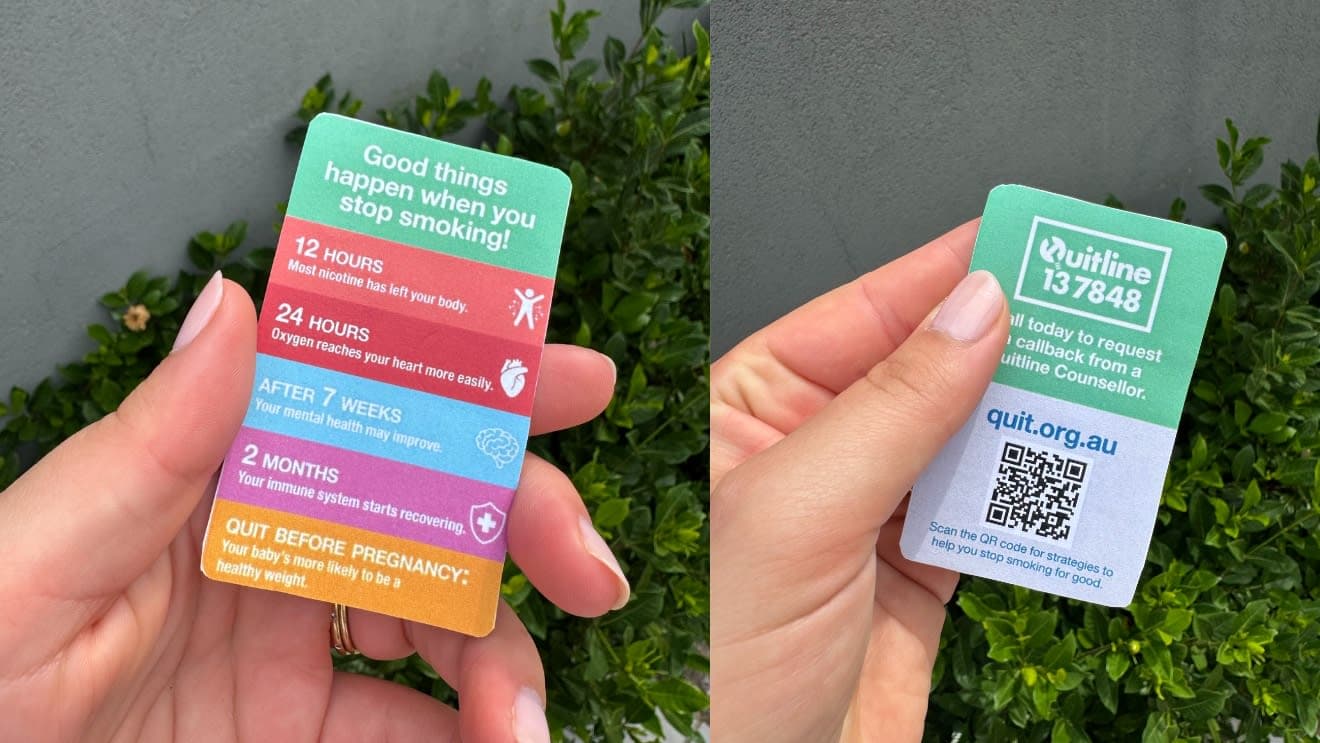

Share this page
Share this page
Tags
- Why quit
- Smoking