
Smoking and surgery – how quitting can help you
Last updated November 2024
Read time 2 mins
We know that smoking harms health, but did you know it also harms the ability of doctors to treat you surgically if you become sick or injured?
New research shows that quitting at least four weeks before undergoing surgery can greatly reduce your risk of smoking-related complications. And quitting can even improve your recovery!
Nicotine is highly addictive and so quitting can be especially difficult when facing distressing medical challenges. But quitting smoking is always the best step you can take to improving your health, and it is especially important when undergoing surgery.
Smoking raises the risk of needing surgery, even routine procedures.
In Australia today, 24% of surgeries are performed on people who smoke, often because of the long-term health effects of smoking.
Continuing to smoke through the period when undergoing surgery can increase the risk of complications and harm recovery.
Complications from surgery can include long-term physical harms, such as delayed healing, heart problems, prolonged stays in hospital, and resulting psychological distress for the patient.
Complications can even result in death: 80% of surgery-related deaths are due to post-surgery complications.
Smoking-related complications after surgery also strain the Australian healthcare system, typically leading to people who smoke cumulatively spending an extra 100,000 days in Australian hospitals every year.
Quitting smoking will greatly reduce these risks, meaning better recovery and improved quality of life after surgery. Quitting immediately will also mean better outcomes in the case of an unexpected surgery resulting from an accident or unexpected condition.
If you smoke and you’re facing long-term health challenges, support is available to help you quit to improve the prospects of successful treatment.
Quit is here to support you
Quitting can be hard, but you are not alone, whether it’s your first or your tenth try at quitting. Quit has resources to help you stop smoking or vaping and to assist your doctor to support you. Remember, quitting is a journey with ups and downs. Remember, every try counts. Don’t give yourself a hard time if you have a cigarette or vape. You’re still on your quitting journey, and every time you quit you get better at it.
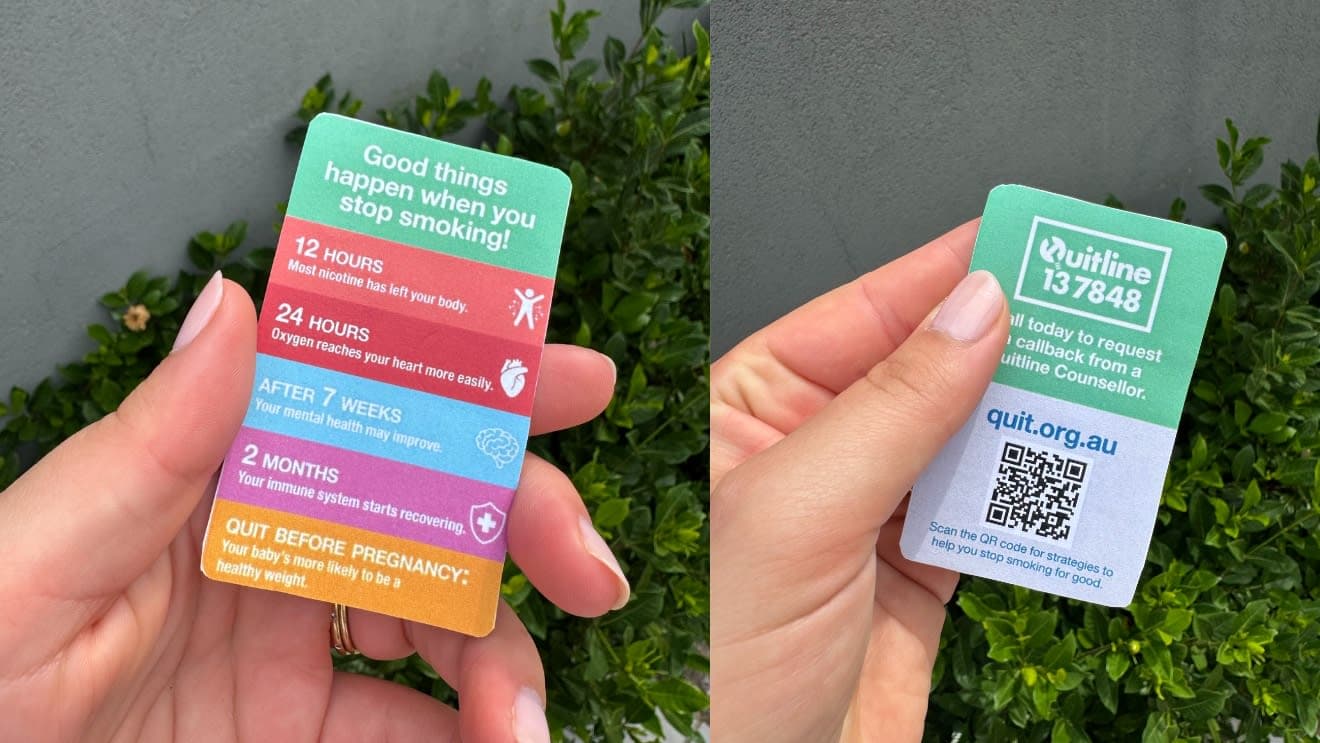
Quitline counsellors are here for you wherever you are on your journey. They will help you quit smoking or vaping for good. Getting in touch with Quitline 13 7848 is a great place to start. Friendly and qualified Quitline counsellors will talk through your reasons for wanting to quit, help identify and manage your triggers and be there for you every step along the way.


Contact Quitline
Speak directly with a trained quit specialist. Our counsellors are available to provide immediate support, personalised quit plans, and answer all your questions.
Get in contact with QuitShare this page
Share this page
Tags
- Why quit
- Smoking