Tobacco products FAQs
Last updated March 2026
Read time 6 minutes
Why is tobacco harmful?
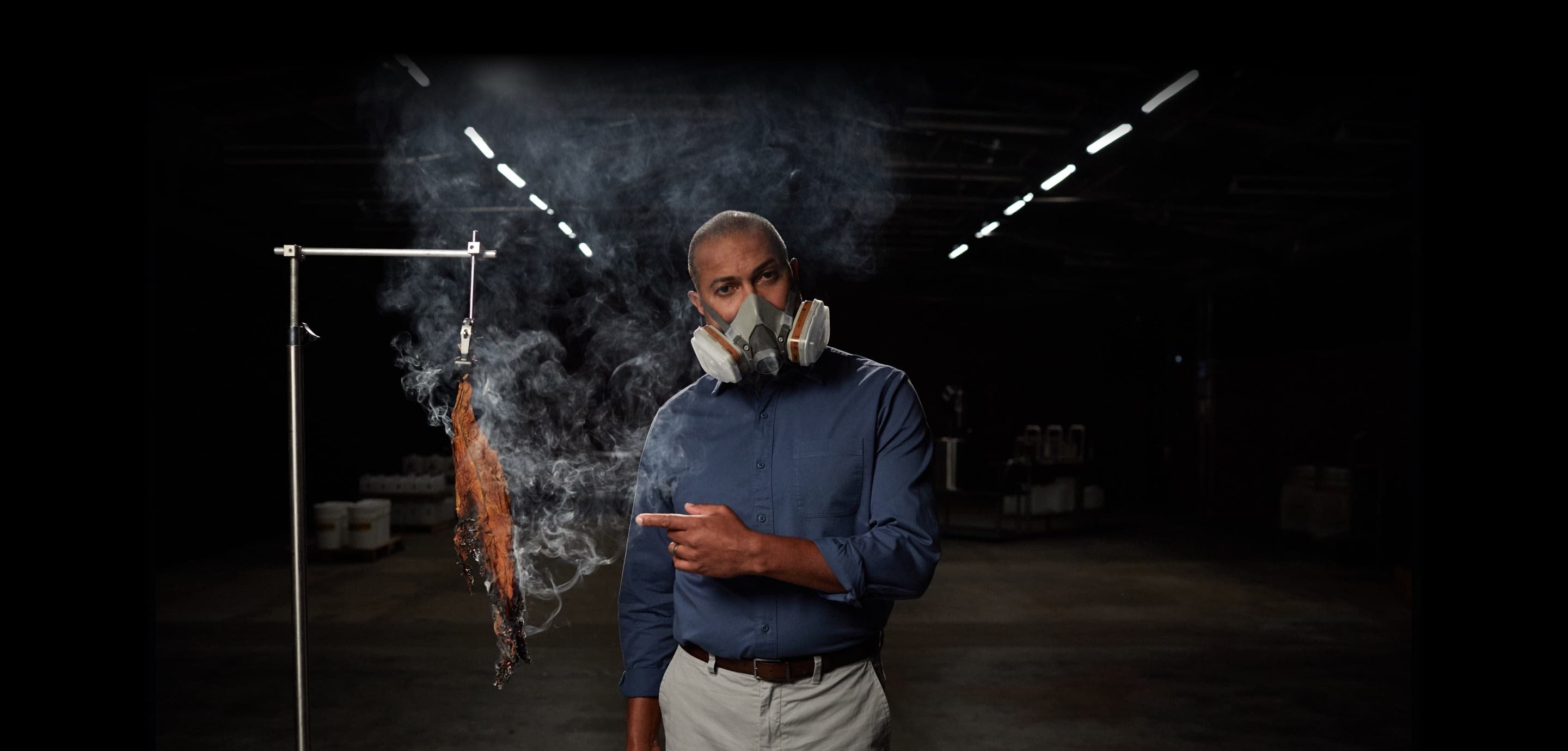
When it burns, tobacco smoke releases about 100 poisonous chemicals.1 These chemicals rapidly move from your lungs into your blood stream.2 In your blood, they circulate to all parts of your body.
It doesn’t matter what it tastes like or how it feels, all tobacco smoke contains toxic chemicals.
Vapes also contain toxic chemicals that may harm the lungs and heart.3, 4
No. There are many types of tobacco products available with a range of tobacco types and chemical additives, however there are none that are known to be less harmful.
All tobacco smoke contains dangerous levels of toxic and cancer-causing chemicals.
Where do the toxic chemicals in tobacco come from?
Many of the toxic chemicals in tobacco smoke are made and released when the tobacco is burned. These chemicals can cause cancer, heart disease and other diseases.2
Toxic chemicals can also enter the tobacco plant from contaminated soil or pesticides when the plant is growing. Some toxic chemicals are formed during the curing of tobacco, while others are added after curing.2
What about shisha, rollies, cigars, bidis and kreteks?
There are many different types of tobacco products, but they all produce toxic smoke. Some tobacco products have added flavours or lighter tasting smoke. people who smoke these products have a high risk of cancer and other diseases.
Find out more about shisha, cigars and pipes, roll-your-owns, bidis and kreteks.
What about herbal cigarettes?
Herbal cigarettes contain a mix of herbs or plant leaves. These are often labelled as being free from tobacco and nicotine, but some do contain nicotine even if it's not listed on the label.6
herbals cigarettes are not safer than tobacco cigarettes. The smoke released from herbal cigarettes contains harmful chemicals that are also found in tobacco cigarettes. People who smoke herbal cigarettes expose themselves to dangerous levels of tar.7
What about heated tobacco products?
Heated tobacco products look a bit like vapes, but they contain tobacco. A tobacco stick, similar to a cigarette, is inserts in them. The device heats up the tobacco stick rather than setting it on fire. These products also contain nicotine at similar levels to cigarettes.8
All forms of tobacco are harmful. The aerosol from heated tobacco products contains many of the same poisonous and cancer-causing chemicals as cigarette smoke. Some heated tobacco products contain additional harmful chemicals that are unique to those products.8
What about vapes?
While vapes don’t contain tobacco, they do contain hundreds of chemicals. Some of these chemicals are known to be harmful when inhaled and many haven’t been tested at all.3 People who vape inhale tiny particles that lodge deep in the lungs. Most vapes contain nicotine, even if they don’t state it on the label. Nicotine is highly addictive.
Read more about vapes
Is raw tobacco dangerous for the people farming and processing it?
Yes, it can be. A common illness among tobacco farm workers is ‘green tobacco sickness’. This sickness occurs when workers have direct contact with newly cut green tobacco leaves, which results in nicotine being absorbed by the skin and entering the blood stream. Workers may also get inflammation in the lungs which is caused by particles released into the air during processing of the tobacco leaves.9
Is tobacco bad for the environment?
Yes, tobacco has a significant impact on the environment. From tobacco cultivation to curing, to manufacturing, distribution, consumption and litter, the global impact of smoking is extensive.10
Tobacco growing is a cause of deforestation due to land clearing. In addition, tobacco farming has led to nutrient depletion from soil and the curing process has required large volumes of timber to be burnt.10 Most cigarette butts are made of plastic. They are a common form of litter and one of the most common types of plastic found in oceans.
What support can I get to stop smoking?
Speak with your doctor, pharmacist or other health professional. They can discuss options, including access to medication, some of which may be subsidised. See What to ask your health professional.
Talk to Quitline (13 7848). Quitline counsellors are qualified experts in helping people to stop smoking or vaping. Quitline counsellors help build and sustain a person’s motivation to quit and help them build a plan that suits them. Read more about how Quitline can help.
Use recommended medications, such as nicotine replacement therapy, to help manage symptoms of nicotine withdrawal, or other treatment support options available from local health professional.
References[1]


Contact Quitline
Speak directly with a trained quit specialist. Our counsellors are available to provide immediate support, personalised quit plans, and answer all your questions.
Get in contact with QuitShare this page
Share this page
Tags
- Why quit
- Smoking