
Smoking and melanoma
Last updated July 2025
Read time 2 minutes
Quitting smoking boosts your health after a melanoma diagnosis.
Australia’s climate and outdoor lifestyle are part of what makes it such a great place to live and work. But Australians are exposed to some of the highest levels of ultraviolet (UV) radiation in the world, which is the leading cause of skin cancer, including deadly melanoma.
Smoking can also increase your chances of dying from a skin cancer like melanoma.
Research shows that a melanoma diagnosis is more dangerous for people who smoke than for those who don’t.
Melanoma is the third most-diagnosed cancer in the country and the most common cancer for people aged 20 – 39. More than 1000 Australians die from melanoma every year.
People who smoke have a greater risk of dying from melanoma than people who have never smoked. Smoking is also associated with complications from surgery to stop the melanoma spreading.
But the good news is that after you quit smoking, the chances of beating melanoma following a diagnosis improve.
A recent study shows someone who has quit smoking is as likely to survive melanoma as someone who has never smoked.
And while melanoma isn’t caused by smoking, 16 types of cancers are, including cancer of the mouth, nose or voice box.
When you quit, your health starts to improve almost straight away. If you need to have surgery, there’s less chance that smoking-related complications will harm your recovery.
Contact Quitline
Speak directly with a trained quit specialist. Our counsellors are available to provide immediate support, personalised quit plans, and answer all your questions.
Get in contact with Quit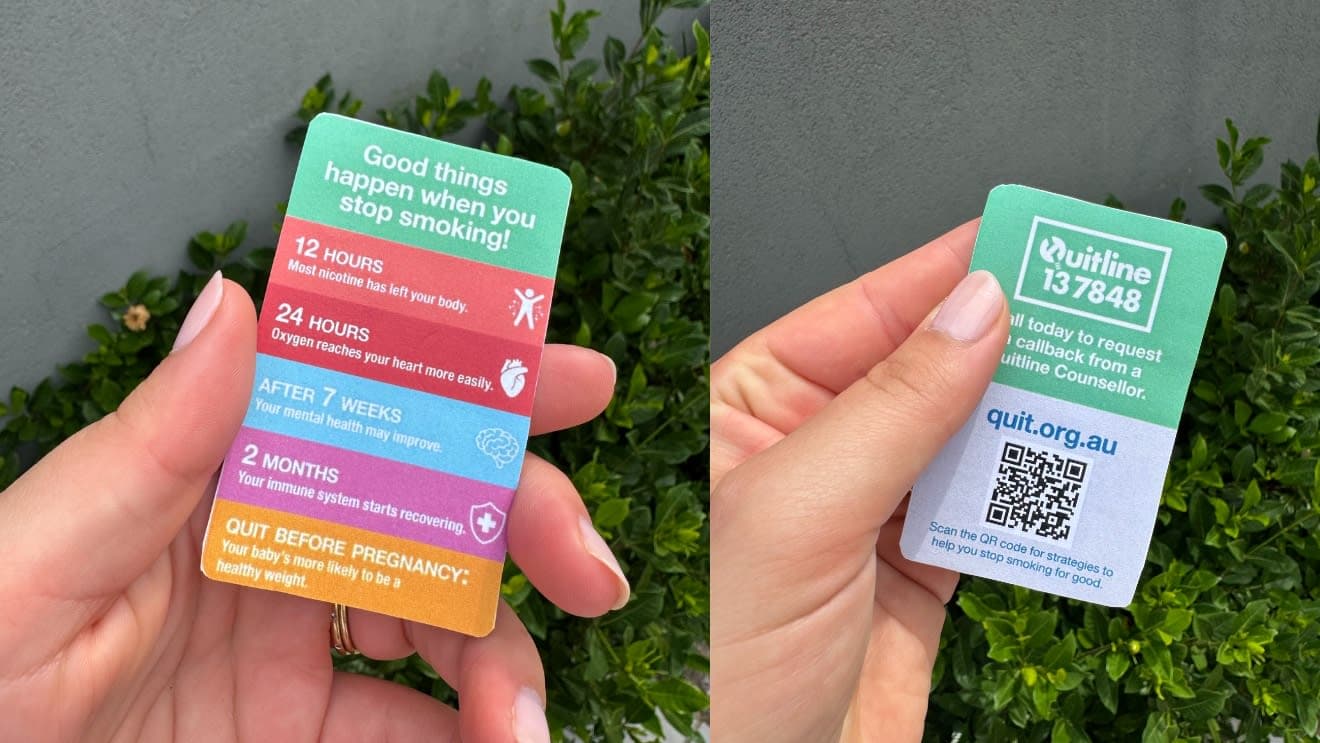


Share this page
Share this page
Tags
- Why quit
- Smoking