
From farm to cigarette: Slavery in the nicotine supply chain
Last updated March 2025
Read time 5 minutes
Producing tobacco products requires employment of a massive workforce around the world, from some of the most impoverished countries in Africa and Asia, to the tobacco fields of the United States of America.
To maximise profit, the global tobacco corporations responsible for this production often exploit farmers and workers, keeping them in what a recent exposé by the Bath University Tobacco Research Group has labelled “slavery by another name”.1,2
Big Tobacco corporations encourage the governments of some of the world’s poorest countries, like Malawi and Bangladesh, to promote tobacco growing.
In countries where many or most people live on less than $5.50USD per day, farmers are promised good returns but struggle to make a profit.2-4 The tobacco buyers have far more power than the farmers so companies are able to conduct the trade in their favour, commonly by luring or coercing farmers into special contracts that require them to sell their crop exclusively to the global tobacco companies.2-4
These farmers are restricted when getting money for their crop but need to buy expensive fertiliser and pesticides, which they must borrow money to afford, often creating a cycle of “perpetual debt”.3-5
They live on their small farms, in homes they build from mud and thatch, and are unable to afford little more than a small portion of maize or grain for the day.6
They also work without protective clothing and the oil from the tobacco plants is absorbed through their skin causing green tobacco sickness, a disease like malaria with nausea, vomiting, headaches, chills, diarrhoea and muscle weakness.2, 5, 7
This exploitation also includes children.
In poor countries, farmers often use their children to work their fields just to make ends meet.
Even in the US, migrant child labour is often used on tobacco farms,6 where they are underpaid and work without protective clothing.
Big Tobacco companies have often saved up to $1.2 billion every year through relying on child labour. 7,8
They mask their exploitation of workers by creating social responsibility initiatives that make no real change.8
All of these forms of labour are exploitative, many of them “amount to a continuation of slavery”, in the words of Rachel Kitonyo-Devotsu, a lawyer for the McCabe Centre for Law and Cancer based in Nairobi.
“Not only is tobacco a dangerous crop that is harming the environment, but it’s impoverishing farmers so that a multinational company can make a profit.” 8,9
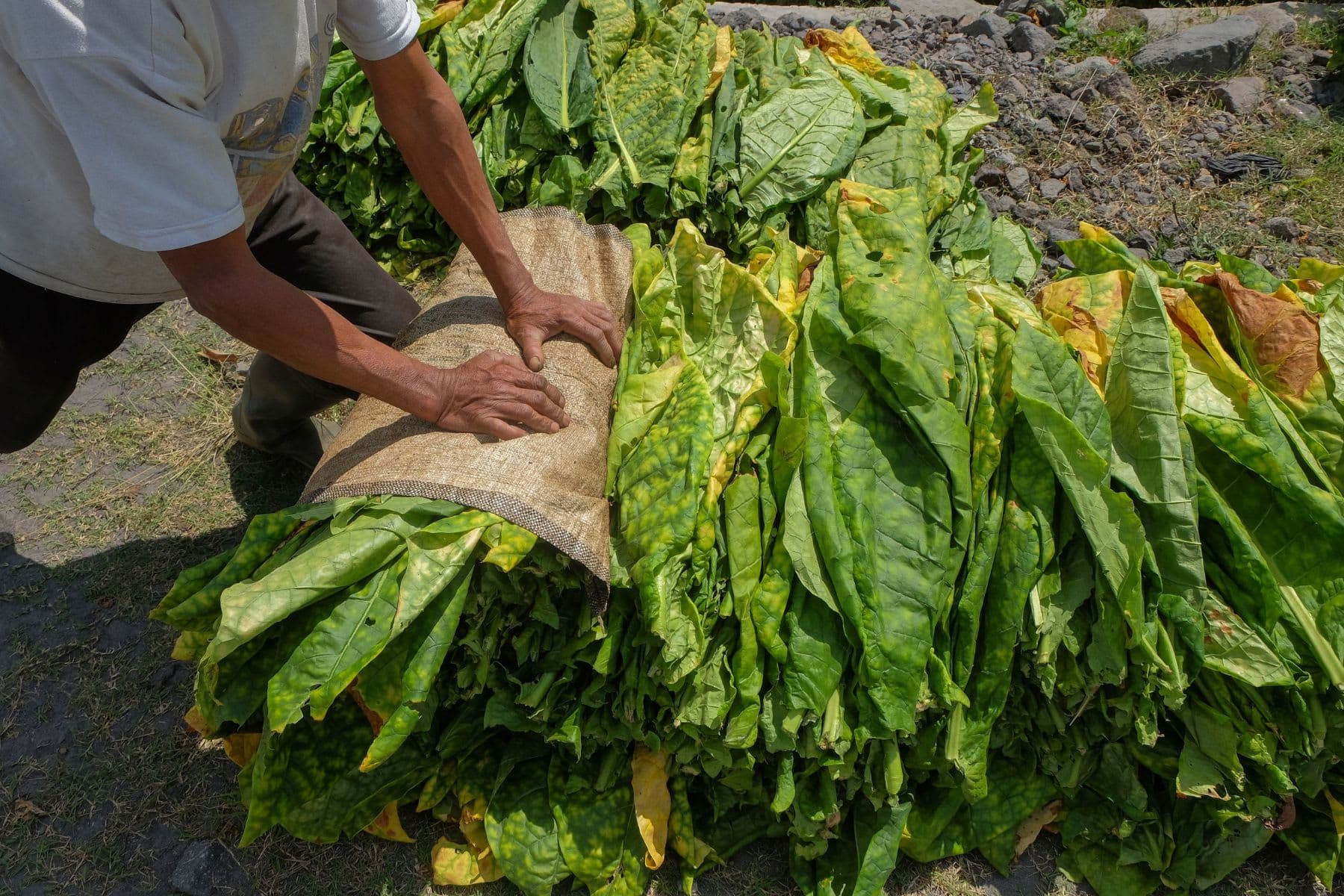
Tobacco farmers earn less than $5.50 USD a day, under restrictive contracts, and can get sick from unprotected exposure to tobacco plants.
Quitting can be hard but remember that by quitting you are helping to break the production chain that devotes 3.2 million hectares of fertile land across 124 countries to growing deadly tobacco and keeps millions of workers in exploitative conditions.
Quit has resources to help you stop smoking or vaping and to assist your doctor to support you. Quitting is a journey with ups and downs. Visit quit.org.au for resources and remember, every try counts. Don’t give yourself a hard time if you have a cigarette or vape. You’re still on your quitting journey, and every time you quit you get better at it.
Quitline counsellors are here for you wherever you are on your journey. They will help you quit smoking or vaping for good.
There are multiple ways to get in touch with Quitline including by phone 13 7848, the online Request a callback form, WhatsApp and more.
Ways to get in touch
Check out the My QuitBuddy app
My QuitBuddy is an app that helps you get, and stay, smoke-free and vape-free. It provides helpful tips to overcome cravings and tracking systems to chart your progress. My QuitBuddy gives you the facts you need to understand the impacts smoking and vaping have on your health.
Quitting can break the chain
Contact Quitline
Speak directly with a trained quit specialist. Our counsellors are available to provide immediate support, personalised quit plans, and answer all your questions.
Get in contact with Quit


Share this page
Share this page
Tags
- Why quit
- Smoking