Smokes can lead to strokes
Last updated July 2021
Read time 3 minutes
If you smoke, you’re twice as likely to experience a stroke.
Continuing to smoke after experiencing a stroke increases your risk of another stroke.
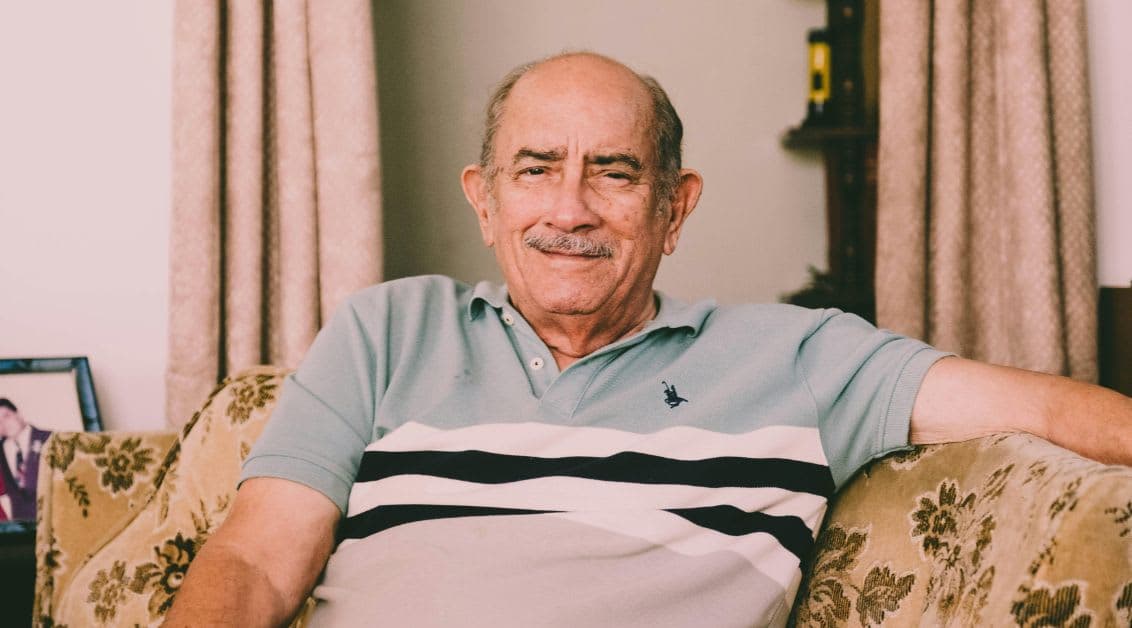
"I was 24 years old and thought I was invincible." - Ernesto
What is a stroke?
A stroke can happen in two ways – either there is a blood clot or plaque that blocks a blood vessel or a blood vessel in the brain breaks or ruptures.
Smoking doubles your risk of stroke:
Smoking increases blood pressure and reduces oxygen in the blood. High blood pressure is a major risk factor.
Tobacco smoke contains over 4000 toxic chemicals which are deposited on lungs or absorbed into the bloodstream damaging blood vessels.
Smoking also makes blood stickier, which can lead to blood clots.
For further information about smoking and stroke, download the Smoking and Stroke fact sheet.
What if you've experienced a stroke?
Continuing to smoke after a stroke or transient ischaemic attack (TIA) more than doubles your risk of having another stroke (compared to a stroke survivor who has never smoked). You're also more likely to die from a stroke. Download the Benefits of stopping smoking pamphlet for people who have experienced stroke or TIA for more information.
Stopping smoking reduces your risk
Stopping smoking significantly reduces your risk of having a stroke. If you've experienced a stroke or TIA, stopping smoking reduces your risk of having another stroke. Studies have shown the risk of stroke in ex-smokers becomes similar to people who have never smoked after five to 10 years..
Here are our top tips for quitting success:
Make a plan. Your quitting journey will be unique – take some time to reflect on why you smoke, why you want to stop smoking, and figure out the most effective approach for you. Use our online ‘My Quit Plan’ tool.
Prepare for withdrawal. Learn about what nicotine dependence does to your body, so you can be prepared for triggers, cravings and feelings of withdrawal.
Stay motivated. Find ways to keep your motivation high on your quitting journey; set targets and celebrate them, get encouragement from your friends or family.
Contact Quitline. Quitline counsellors can support you throughout your quit journey. Way to get in touch.
In collaboration with the Stroke Foundation
Need support now?
Contact Quitline
Speak directly with a trained quit specialist. Our counsellors are available to provide immediate support, personalised quit plans, and answer all your questions.
Get in contact with Quit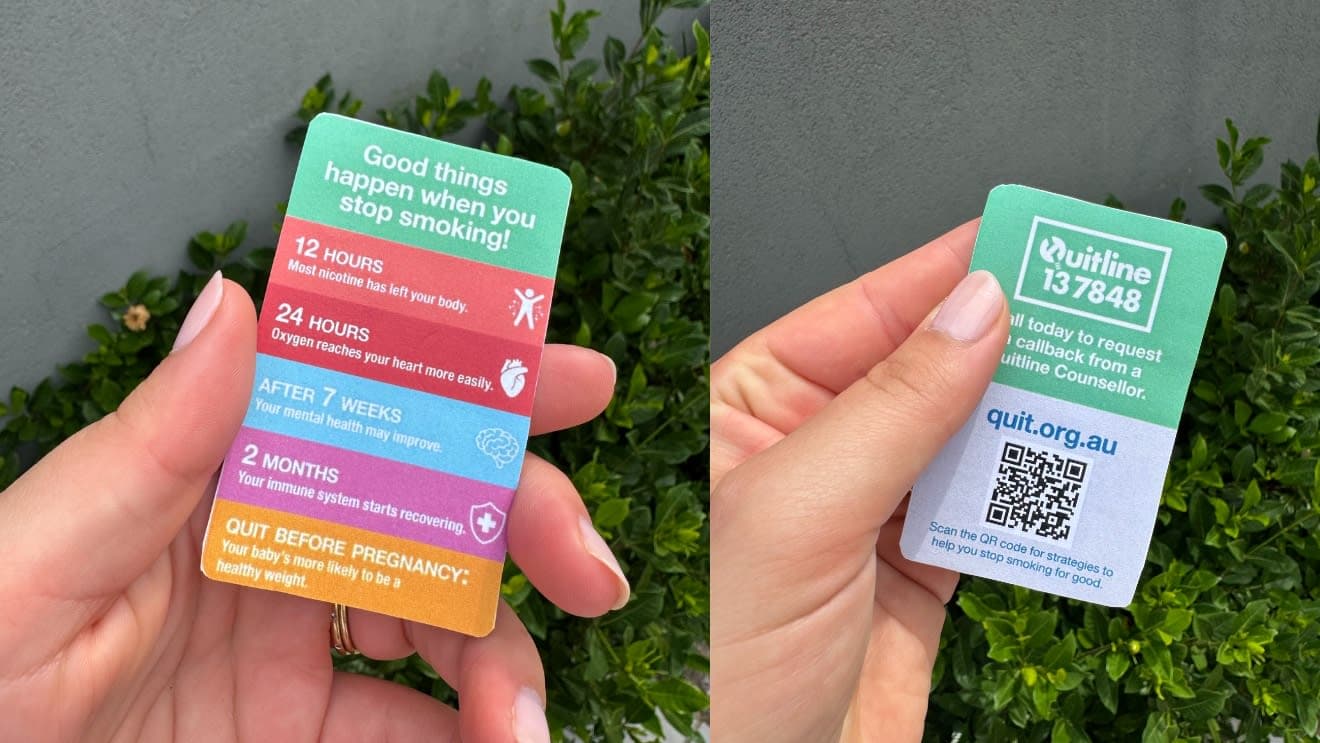


Share this page
Share this page
Tags
- Smoking
- Why quit