
Second-hand smoke can harm the people around you, like your family and friends.
Last updated August 2025
Read time 4 minutes
Quitting smoking helps protect you and those you love from the danger of heart disease and stroke.
Smoke-free homes are healthier for everyone who lives in them. When your health improves after quitting smoking, the benefits can also flow on to all who share your home.
Many people who smoke know that it not only harms their own health, but also the health of people around them. The risk is serious for those who breathe in second-hand smoke, even if they don’t smoke themselves.
Second-hand smoke is:
Smoke made by a burning cigarette
Smoke that is breathed out by the person who’s smoking.
When you smoke near others or inside your home, your partner, children, parents, friends, flatmates and even pets are exposed to the same chemicals you breathe in, and they can cause similar harms.
One of those harms is cardiovascular disease (CVD), which affects the heart and blood vessels. CVD is a group of diseases that includes heart attacks, strokes and high blood pressure. Smoking is a leading cause of CVD.
For people who smoke, even one cigarette a day increases your risk of heart attack and stroke. More than one-third of CVD deaths of people aged under 65 are caused by smoking.
But the harm can also be passed on to people who don’t smoke. Research shows that people who breathe in second-hand smoke are also at risk of heart disease and stroke, especially those who are exposed to second-hand smoke in their own home. Most deaths from second-hand smoke are from heart disease.
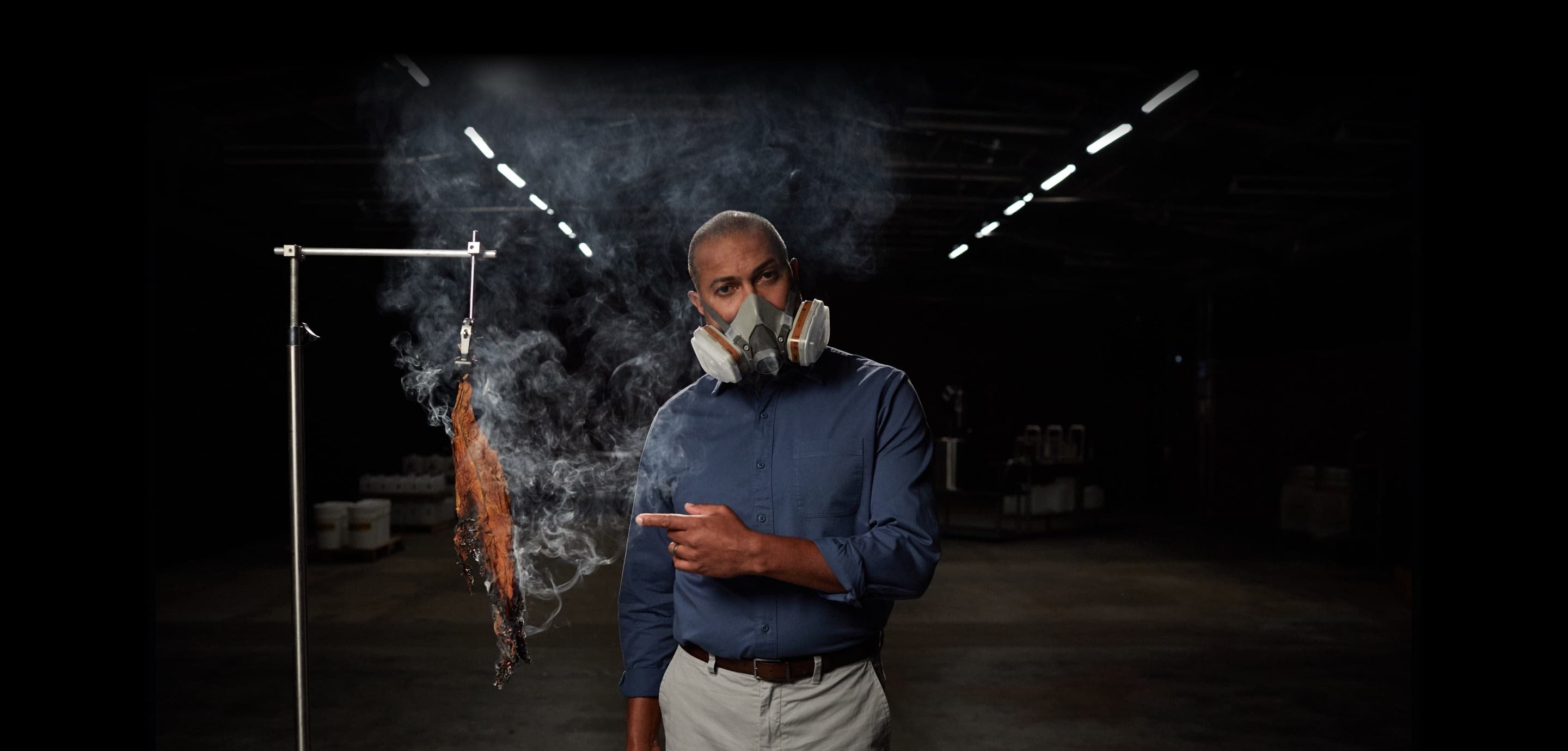
Second-hand smoke can harm the people around you, like your family and friends.
For more than 70 years, scientists have understood that smoking causes harms like heart disease and cancer, and the dangers for people who don’t smoke themselves but inhale other people’s smoke has been known for decades.
People who breathe in second-hand smoke are exposed to 250 toxic chemicals, including more than 50 known to cause cancer.
Second-hand smoke increases the likelihood of CVD because it interferes with the way the heart, blood and blood vessels work and causes damage.
Studies have led to laws to protect people – especially children – from the harms of second-hand smoke. For example, all Australian states and territories ban adults from smoking in cars while children are present and restrict where people can smoke and vape, both inside and outside.
Here's how to make your home smoke-free
Many people who smoke understand the risk of second-hand smoke and do not smoke in their homes. When you quit, you’ll no longer inhale toxic chemicals in tobacco smoke that cause CVD and other harms.
And when you no longer inhale toxic chemicals, neither will the people you care about, who share your home.
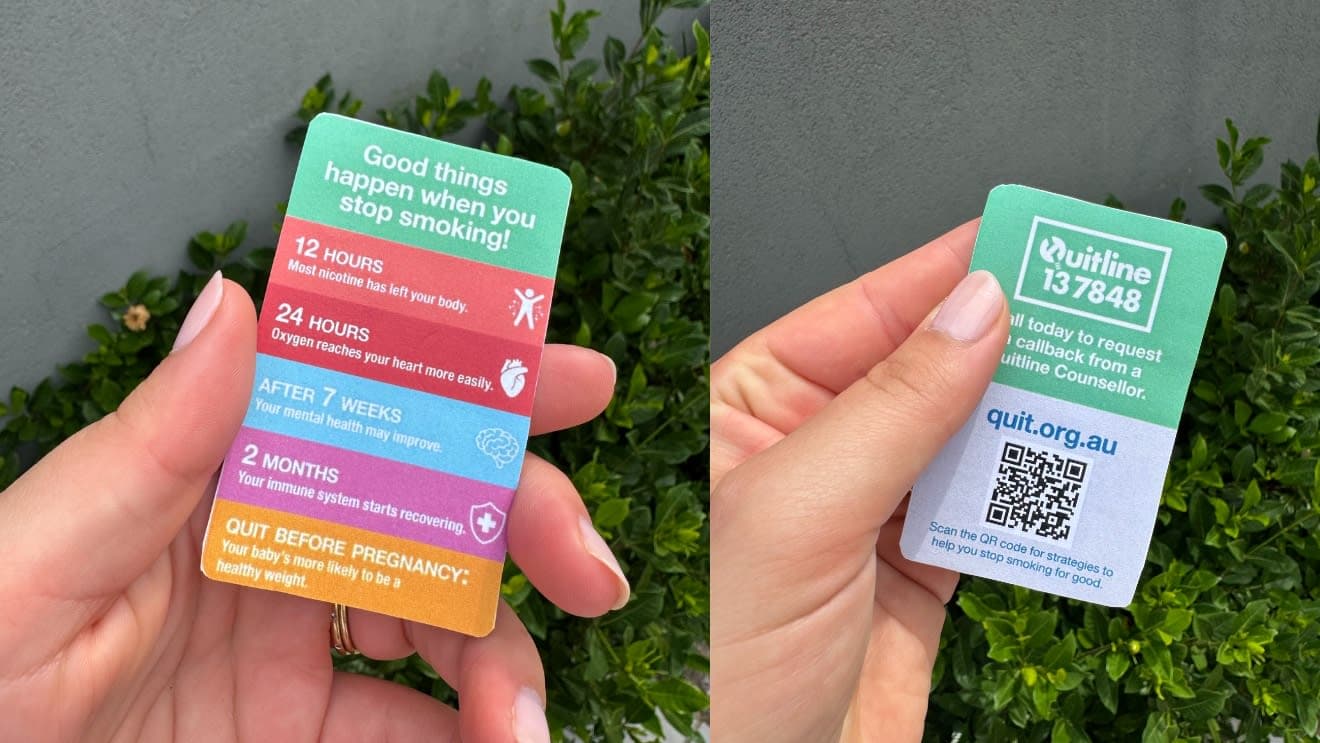
Speak directly with a trained quit specialist. Our counsellors are available to provide immediate support, personalised quit plans, and answer all your questions.
Get in contact with Quit